
Have you ever wondered how many countries there are in the world? Our planet is home to different countries, cultures, languages, traditions and people. Every country has its own history, geographical features, national flag, government and identity. If you are searching for vishva mein kul kitne desh hain (How many countries are there in the world), the commonly accepted answer is 195 countries.
These 195 countries include 193 United Nations (UN) member states and 2 non-member observer states, namely the Holy See (Vatican City) and the State of Palestine. However, the number can sometimes differ depending on how a country is defined or whether certain territories and partially recognised states are included.
In this article, we will explore how many countries are there in the world, the names of the two UN observer states, the largest and smallest countries, the most populated countries, and some interesting facts about countries and continents.
How Many Countries Are There in the World in 2026?
There are 195 countries in the world according to the most widely used international count.
The total of 195 countries consists of:
- 193 United Nations Member States: Countries that are officially members of the United Nations.
- 2 UN Observer States: The Holy See (Vatican City) and the State of Palestine.
The United Nations is an international organisation where countries work together on matters such as peace, security, development, human rights and international cooperation. It currently has 193 member states. Ask DAG!+1
| Category | Number |
|---|---|
| UN Member States | 193 |
| UN Observer States | 2 |
| Total commonly counted countries | 195 |
Why Do Some Sources Say 193, 195 or More Countries?
You may sometimes find different numbers when searching for how many countries are there in the world. This is because not every territory or region is recognised as an independent country by all nations.
- 193 countries: This number refers to the official member states of the United Nations.
- 195 countries: This includes 193 UN member states plus the Holy See and the State of Palestine.
- Higher numbers: Some lists include places such as Taiwan and Kosovo, depending on the criteria used for recognition and country classification.
For general knowledge, school education and most geography references, 195 countries is the commonly accepted answer.
Which Is the Smallest Country in the World?
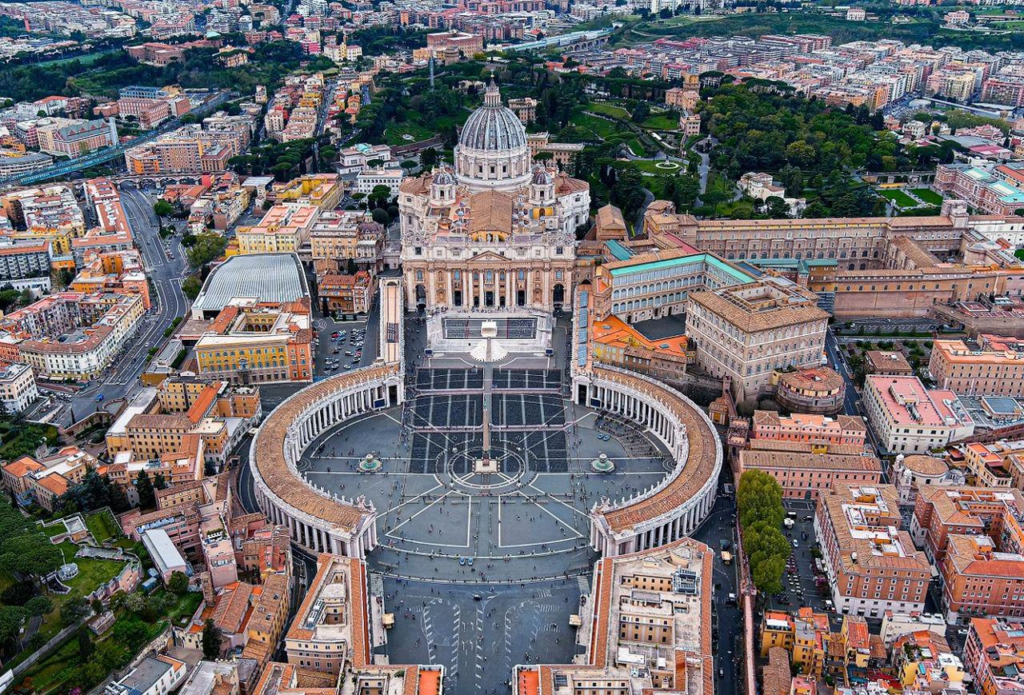
Vatican City is the smallest country in the world by land area. It is an independent country located within the city of Rome, Italy. Its total area is approximately 0.49 square kilometres (0.19 square miles).
Vatican City is the centre of the Roman Catholic Church and the residence of the Pope. Despite its very small size, it is known worldwide for its religious importance, historical buildings, museums and architecture.
Some important facts about Vatican City:
- Country Name: Vatican City
- Area: Approximately 0.49 square kilometres
- Location: Rome, Italy
- Capital: Vatican City
- Known For: St. Peter’s Basilica, the Pope and the Vatican Museums
Which Is the Richest Country in the World?
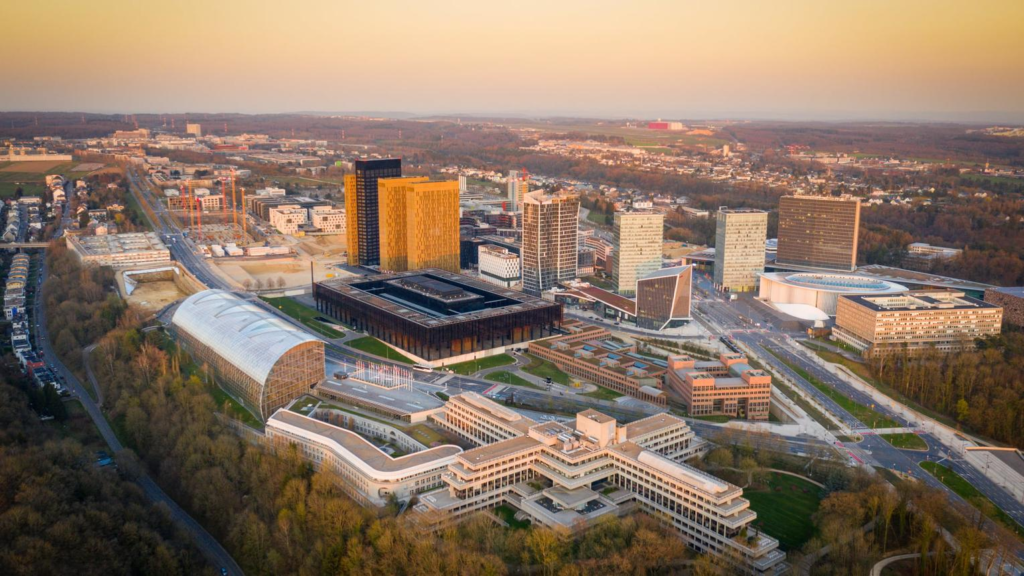
Luxembourg is often listed among the world’s richest countries when measured by GDP per capita. It is a small European country known for its strong financial sector, banking services, international businesses and high standard of living.
GDP per capita is a measurement that divides a country’s economic output by its population. It is often used to compare average economic output per person between countries, although it does not directly measure how much money every resident earns.
Luxembourg has a highly developed economy in which financial services, international trade and other service industries play an important role.
The ranking of the richest country can change depending on whether GDP per capita is measured using nominal values or purchasing power parity (PPP), and whether the source uses GDP or another income measure.
Which Is the Largest Country in the World?
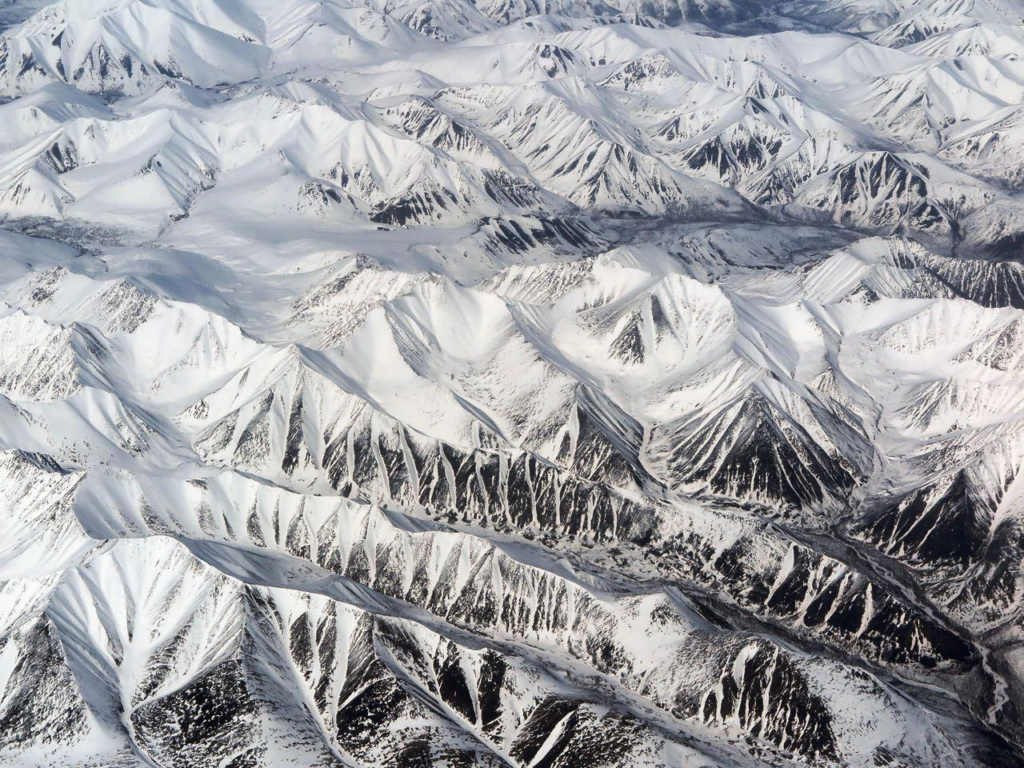
Russia is the largest country in the world by total land area. It covers approximately 17.1 million square kilometres and stretches across Eastern Europe and northern Asia.
Russia has a vast geographical landscape, including forests, mountains, rivers, lakes, plains and tundra regions. It shares borders with several countries and has territory spanning multiple time zones.
Some interesting facts about Russia:
- Largest Country by Area: Russia.
- Approximate Area: 17.1 million square kilometres.
- Continents: Europe and Asia.
- Capital: Moscow.
- Geographical Feature: It spans a large portion of northern Eurasia.
Which Is the Safest Country in the World?
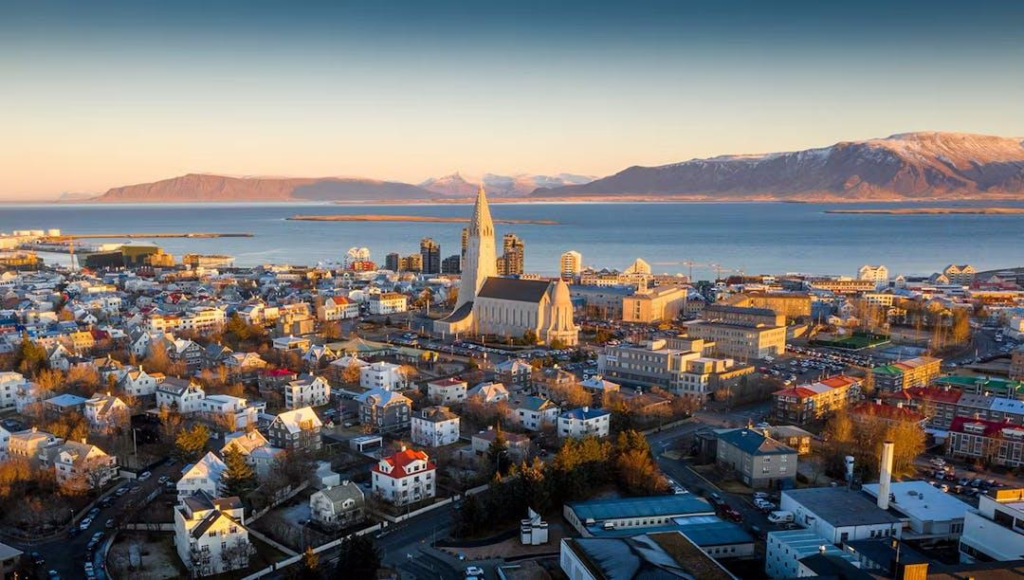
Iceland is frequently ranked among the safest countries in the world. It is known for its peaceful society, relatively low levels of violent crime, strong social systems and high quality of life.
The country is also famous for its natural beauty, including volcanoes, glaciers, waterfalls, hot springs and northern lights.
Safety rankings can change from year to year and depend on factors such as crime, political stability, conflict, social security and the methodology used by the ranking organisation.
What Are the Most Populated Countries in the World?
Population refers to the total number of people living in a country. Some countries have very large populations, while others have only a few thousand residents.
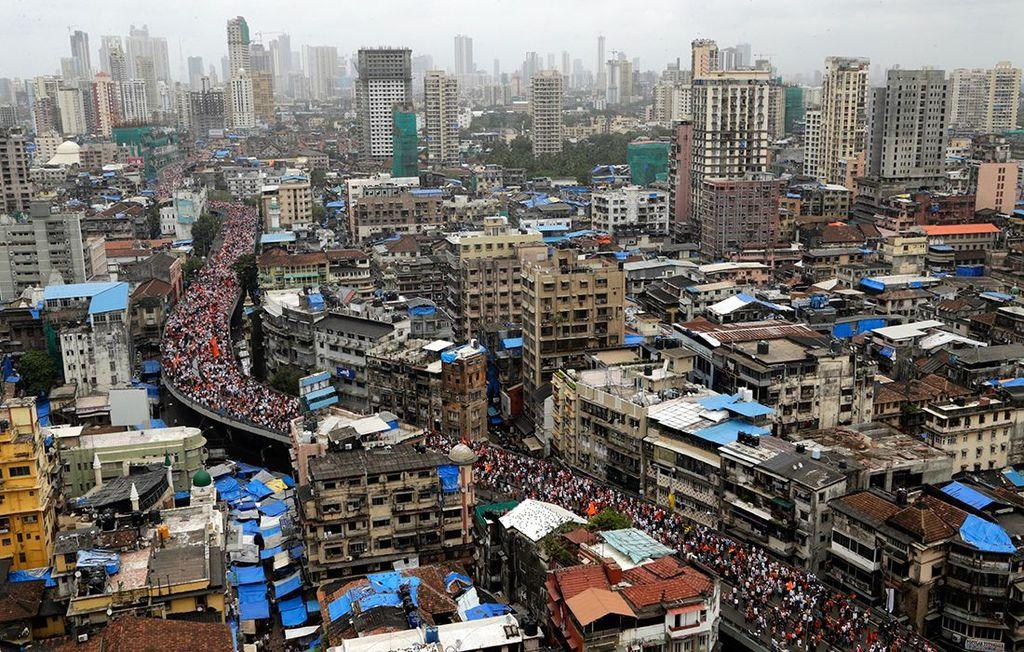
India, China and the United States are among the world’s most populated countries. Population rankings and estimates change over time, so figures below are approximate and intended as a general overview.
| Rank | Country | Approximate Population |
|---|---|---|
| 1 | India | 1.47 billion |
| 2 | China | 1.41 billion |
| 3 | United States | 349 million |
| 4 | Indonesia | 288 million |
| 5 | Pakistan | 259 million |
Population figures are approximate 2026 estimates based on the UN World Population Prospects 2024 projections. Figures are rounded for readability. PopulationPyramid.net+1
India has the largest population in the world according to recent UN population estimates. China is second, followed by the United States. Population size is influenced by birth rates, death rates, migration, healthcare, economic conditions and many other factors.
What Are the Happiest Countries in the World?
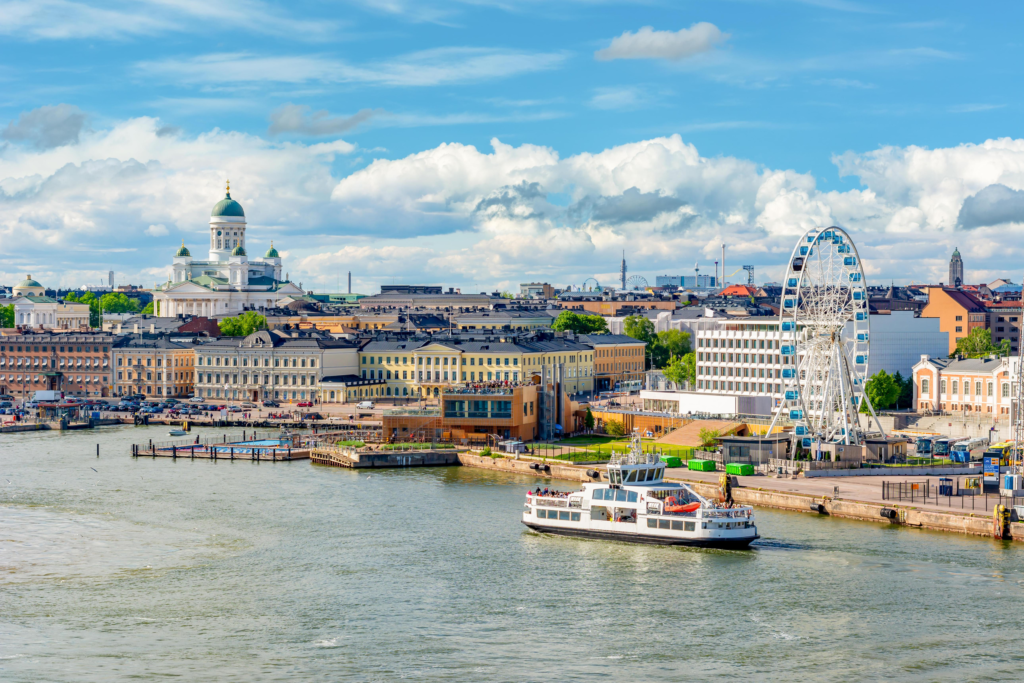
Countries such as Finland, Denmark, Iceland, Sweden and Norway frequently appear near the top of the World Happiness Report rankings.
These rankings generally consider people’s reported life evaluations along with factors associated with wellbeing, including social support, income, healthy life expectancy, freedom, generosity and perceptions of corruption.
Some factors often associated with higher happiness scores include:
- Strong social support systems.
- Access to healthcare and education.
- A good work-life balance.
- Personal freedom and security.
- Trust in public institutions.
- Healthy living conditions.
The happiest country ranking may change with each annual report, so the list should be checked against the specific year’s report.
What Are the Most Powerful Countries in the World?
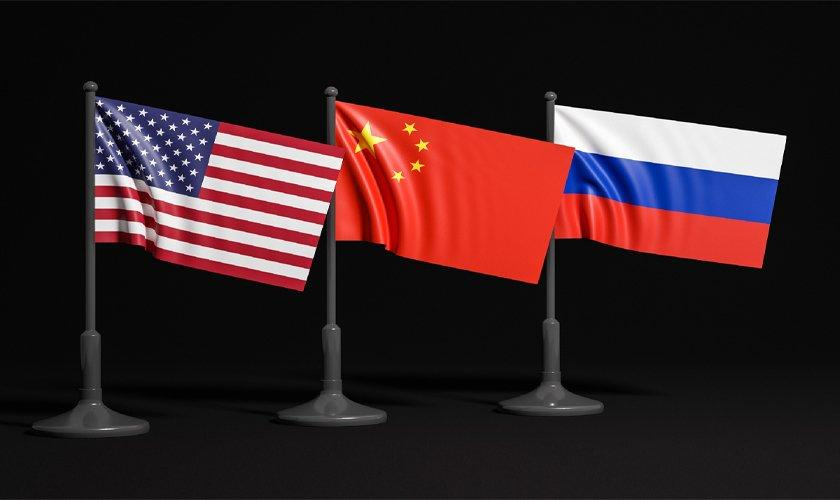
The United States, China and Russia are often considered among the world’s most powerful countries. Their influence comes from a combination of economic strength, military capabilities, technology, political influence, natural resources and international relationships.
United States
The United States is one of the world’s leading economies and has a significant influence on international trade, technology, finance, military affairs and global diplomacy. It also has a large defence budget and a strong network of international alliances.
China
China is one of the world’s largest economies and a major centre for manufacturing, trade, infrastructure development and technology. Its economic growth and international relations have made it an important global power.
Russia
Russia has a large geographical area, significant natural resources, a major military capability and considerable geopolitical influence. It plays an important role in international politics and energy markets.
There is no single official ranking of the world’s most powerful countries. Rankings vary according to whether economic, military, diplomatic, technological or other factors are considered.
What Are Third World Countries?
The term “Third World countries” was originally used during the Cold War to describe countries that were not aligned with either the Western bloc led by the United States or the Eastern bloc led by the Soviet Union.
Over time, the term became associated with developing and less industrialised countries, particularly in parts of Africa, Asia and Latin America. However, its original political meaning has become outdated, and it is often considered an imprecise or inappropriate term today.
Instead, people generally use terms such as:
- Developing countries: Countries working towards improvements in income, infrastructure, healthcare, education and economic development.
- Low-income countries: Countries classified according to income thresholds established by organisations such as the World Bank.
- Least Developed Countries (LDCs): Countries identified by the United Nations based on income, human assets and economic and environmental vulnerability.
These terms provide a more specific way of describing a country’s economic and development conditions.
Explore Countries Around the World
Every country in the world has something unique to offer. Some countries are famous for historical monuments, others for beautiful beaches, mountains, wildlife, food, traditions or modern cities.
Learning about countries can help students and readers understand geography, cultures, international relationships and the world around them.
When exploring a country, you can learn about:
- Its capital city and national flag.
- Its neighbouring countries.
- Its official and commonly spoken languages.
- Its famous tourist attractions.
- Its traditional food and culture.
- Its history and important events.
- Its geographical location and climate.
Whether you are interested in India, Japan, France, Egypt, Australia or any other country, learning a few facts about each place can make geography more interesting and help expand your general knowledge.
How Many Continents Are There in the World?
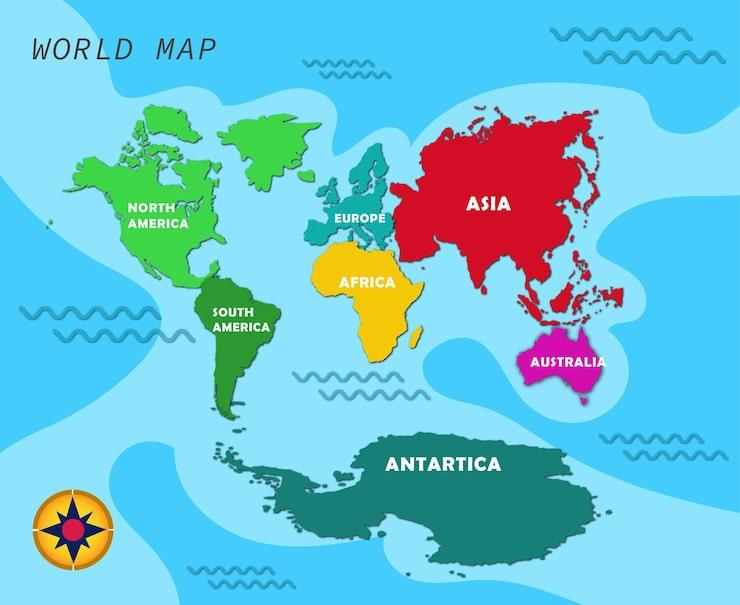
There are commonly considered to be 7 continents in the world. A continent is a large geographical landmass, although the way continents are grouped can vary depending on geographical and educational traditions.
The seven-continent model is widely used in India and many other countries.
| No. | Continent | Description |
|---|---|---|
| 1 | Asia | The largest continent by land area and population. |
| 2 | Africa | Known for its diverse wildlife, landscapes and cultures. |
| 3 | Europe | Famous for its history, architecture and cultural diversity. |
| 4 | North America | Includes countries such as Canada, the United States and Mexico. |
| 5 | South America | Known for the Amazon rainforest, Andes Mountains and diverse ecosystems. |
| 6 | Australia (Oceania) | Includes Australia and many island nations across the Pacific region. |
| 7 | Antarctica | A cold continent with no permanent civilian population or countries. |
In some educational systems, Australia is referred to as Oceania when discussing the broader geographical region, which includes Pacific islands.
How Many Countries Are There on Each Continent?
The following is a commonly used geographical distribution of the 195 countries across continents.
| Continent | Number of Countries |
|---|---|
| Africa | 54 |
| Asia | 48 |
| Europe | 44 |
| North America | 23 |
| South America | 12 |
| Oceania | 14 |
| Antarctica | 0 |
| Total | 195 |
Continental country counts can vary depending on the classification system used for transcontinental countries and regional boundaries. The table follows a commonly used seven-continent classification.