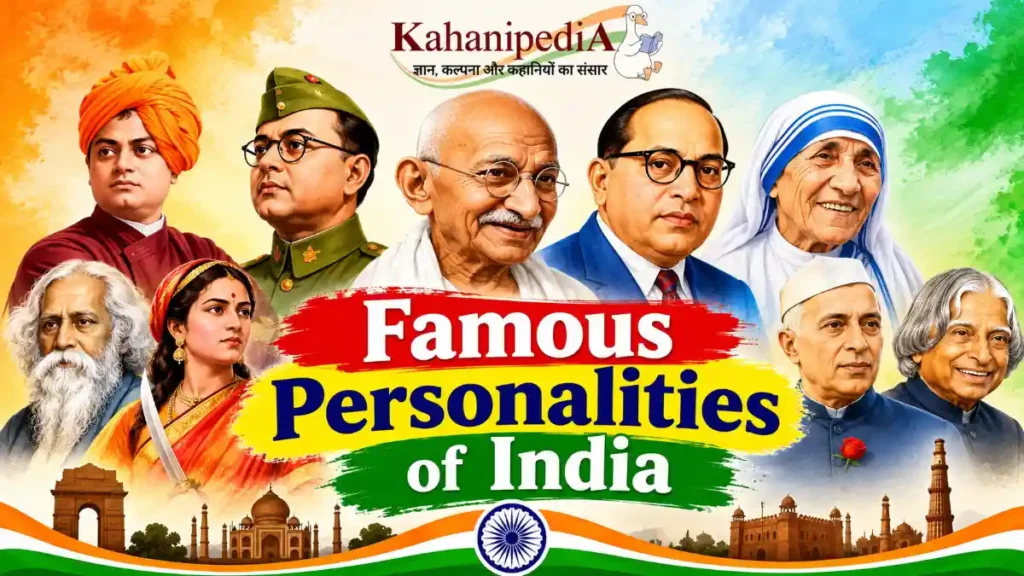
India has a rich history filled with people who have made a lasting difference through their courage, knowledge, hard work and dedication. From freedom fighters who stood against British rule to great scientists, writers, social reformers and national leaders, many famous personalities have helped shape the country we know today. Their stories teach us valuable lessons about honesty, courage, education, equality and love for the nation.
Some of these personalities became famous for their sacrifices, while others earned respect through their discoveries, writings, leadership and service to society. Learning about these great people is a wonderful way for children and students to understand India’s history and find inspiration in the lives of those who worked to make the world a better place.
Famous Personalities of India
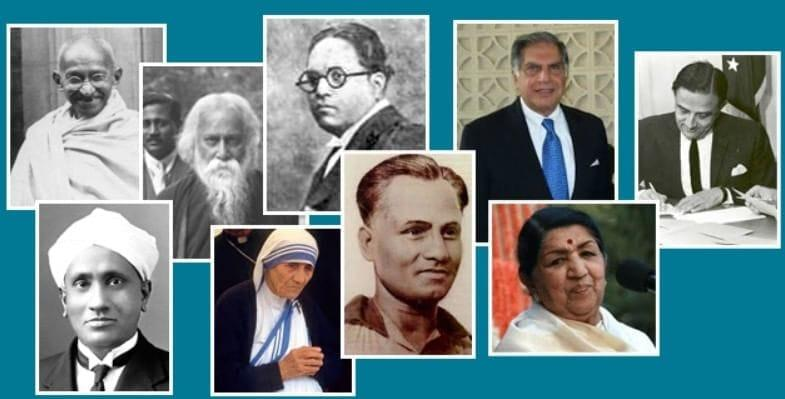
The famous personalities of India come from different backgrounds and fields. Some fought for India’s independence, some worked to improve society, and others made remarkable contributions to science, literature, education, politics and music. Their achievements are remembered not only in India but also in many parts of the world.
Below is a list of well-known Indian personalities, along with their nicknames, birth dates, death dates, birthplaces and the main reasons they are remembered. It is a useful overview for students, children and anyone interested in learning about India’s great personalities.
Overview of Famous Indian Personalities and Their Nicknames
| No. | Name | Nickname | Born | Died |
|---|---|---|---|---|
| 1 | Mahatma Gandhi | Father of the Nation, Bapu | 2 October 1869 | 30 January 1948 |
| 2 | Sardar Vallabhbhai Patel | Iron Man of India | 31 October 1875 | 15 December 1950 |
| 3 | Dr. B. R. Ambedkar | Babasaheb | 14 April 1891 | 6 December 1956 |
| 4 | Mother Teresa | Saint of the Gutters | 26 August 1910 | 5 September 1997 |
| 5 | Subhas Chandra Bose | Netaji | 23 January 1897 | 18 August 1945* |
| 6 | Sarojini Naidu | Nightingale of India | 13 February 1879 | 2 March 1949 |
| 7 | Bhagat Singh | Shaheed-e-Azam | 28 September 1907 | 23 March 1931 |
| 8 | Bal Gangadhar Tilak | Lokmanya Tilak | 23 July 1856 | 1 August 1920 |
| 9 | Rabindranath Tagore | Gurudev, Kaviguru | 7 May 1861 | 7 August 1941 |
| 10 | Swami Vivekananda | Swami Vivekananda | 12 January 1863 | 4 July 1902 |
| 11 | Rani Lakshmibai | Rani of Jhansi | 19 November 1828 | 18 June 1858 |
| 12 | Lala Lajpat Rai | Punjab Kesari | 28 January 1865 | 17 November 1928 |
| 13 | Jawaharlal Nehru | Chacha Nehru, Panditji | 14 November 1889 | 27 May 1964 |
| 14 | Khudiram Bose | Shaheed Khudiram | 3 December 1889 | 11 August 1908 |
| 15 | Raja Ram Mohan Roy | Father of Indian Renaissance | 22 May 1772 | 27 September 1833 |
| 16 | Sri Aurobindo | Sri Aurobindo | 15 August 1872 | 5 December 1950 |
| 17 | Maharana Pratap | Mewari Rana | 9 May 1540 | 19 January 1597 |
| 18 | Chandra Shekhar Azad | Azad | 23 July 1906 | 27 February 1931 |
| 19 | Ishwar Chandra Vidyasagar | Ocean of Knowledge | 26 September 1820 | 29 July 1891 |
| 20 | Aruna Asaf Ali | Grand Old Lady of Indian Independence | 16 July 1909 | 29 July 1996 |
| 21 | 14th Dalai Lama | His Holiness the Dalai Lama | 6 July 1935 | Living |
| 22 | C. V. Raman | Sir C. V. Raman | 7 November 1888 | 21 November 1970 |
| 23 | Mangal Pandey | Early Hero of the 1857 Revolt | 19 July 1827 | 8 April 1857 |
| 24 | Chhatrapati Shivaji Maharaj | Chhatrapati | 19 February 1630 | 3 April 1680 |
| 25 | Dr. Sarvepalli Radhakrishnan | Dr. Radhakrishnan | 5 September 1888 | 17 April 1975 |
| 26 | Dr. A. P. J. Abdul Kalam | Missile Man of India | 15 October 1931 | 27 July 2015 |
| 27 | Lakshmi Sahgal | Captain Lakshmi | 24 October 1914 | 23 July 2012 |
| 28 | Lal Bahadur Shastri | Man of Peace | 2 October 1904 | 11 January 1966 |
| 29 | Bipin Chandra Pal | Father of Revolutionary Thoughts | 7 November 1858 | 20 May 1932 |
| 30 | Ashfaqulla Khan | Shaheed Ashfaqulla Khan | 22 October 1900 | 19 December 1927 |
| 31 | Ram Prasad Bismil | Bismil | 11 June 1897 | 19 December 1927 |
| 32 | Dadabhai Naoroji | Grand Old Man of India | 4 September 1825 | 30 June 1917 |
| 33 | Dr. Rajendra Prasad | Desh Ratna | 3 December 1884 | 28 February 1963 |
| 34 | C. Rajagopalachari | Rajaji | 10 December 1878 | 25 December 1972 |
| 35 | Chittaranjan Das | Deshbandhu | 5 November 1870 | 16 June 1925 |
| 36 | Lata Mangeshkar | Nightingale of India, Swar Kokila | 28 September 1929 | 6 February 2022 |
Note: The circumstances surrounding Subhas Chandra Bose’s reported death in 1945 remain disputed. The date above is the commonly reported date.
1. Mahatma Gandhi – Father of the Nation
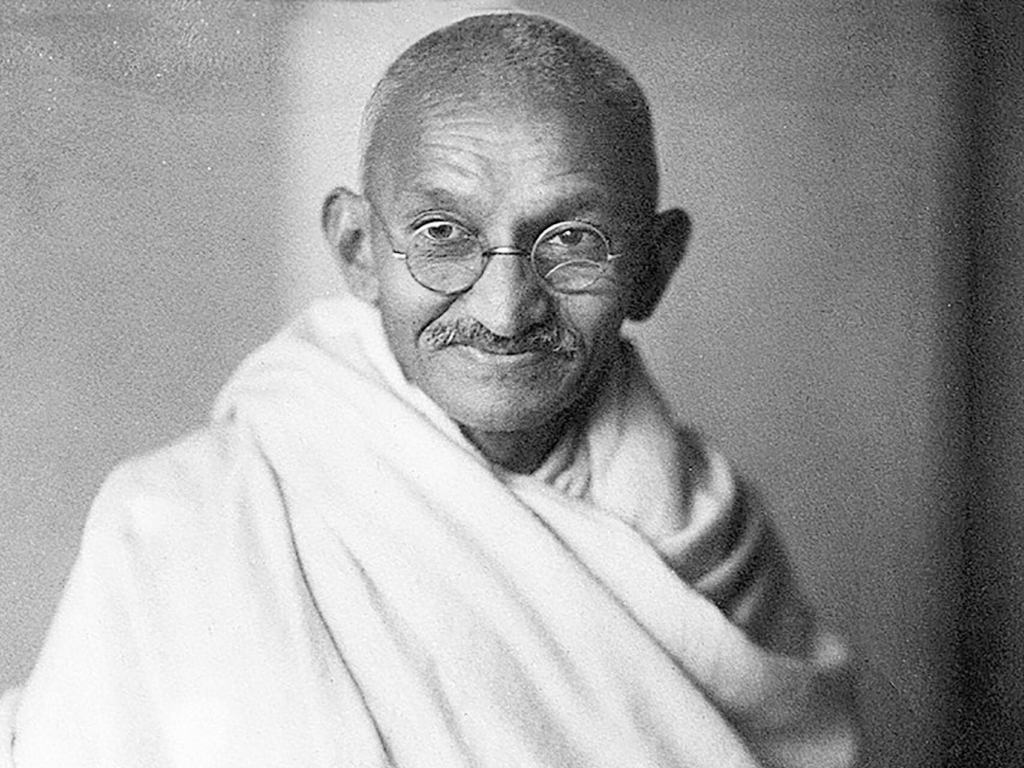
Mahatma Gandhi was one of the most important leaders of India’s freedom movement. His full name was Mohandas Karamchand Gandhi, and he was born on 2 October 1869 in Porbandar, Gujarat. People lovingly called him Bapu and Mahatma Gandhi. He believed that truth and non-violence were powerful ways to fight injustice.
Gandhi played an important role in several movements against British rule, including the Non-Cooperation Movement, Civil Disobedience Movement and Quit India Movement. His famous Dandi March in 1930 was organised to protest against the British salt tax. His simple lifestyle and peaceful methods inspired people across the world. He was assassinated on 30 January 1948 in New Delhi.
| Personal Details | Information |
|---|---|
| Full Name | Mohandas Karamchand Gandhi |
| Date of Birth | 2 October 1869 |
| Birthplace | Porbandar, Gujarat |
| Date of Death | 30 January 1948 |
| Profession | Freedom Fighter, Lawyer, Political Leader |
| Famous For | Non-violence and India’s freedom struggle |
| Popular Nicknames | Bapu, Mahatma, Father of the Nation |
2. Sardar Vallabhbhai Patel – Iron Man of India
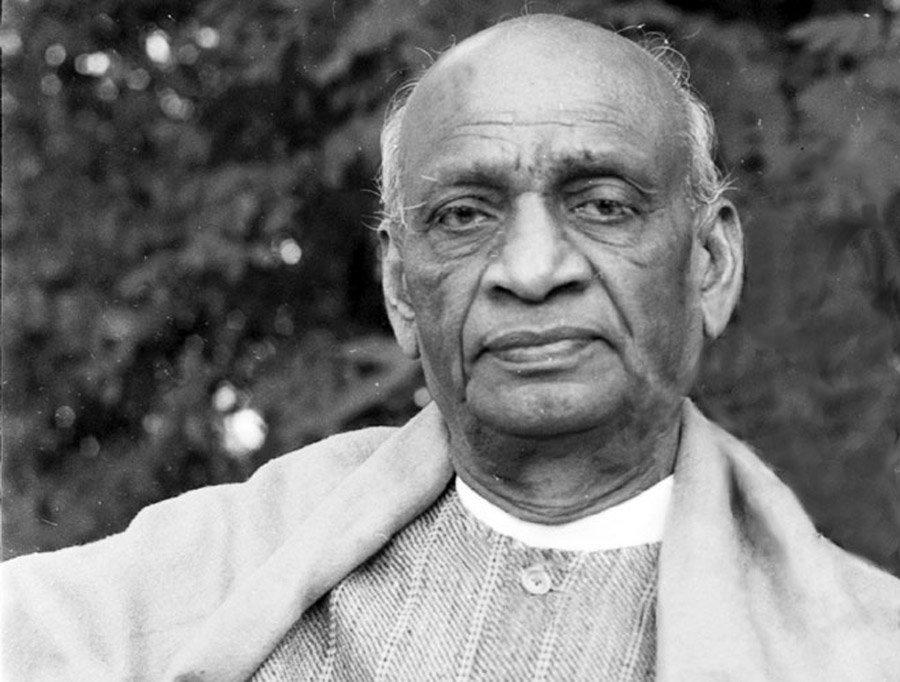
Sardar Vallabhbhai Patel was a great freedom fighter and one of the most respected leaders in Indian history. He was born on 31 October 1875 in Nadiad, Gujarat. Before joining the freedom movement, he worked as a successful lawyer. He later became a close follower of Mahatma Gandhi and took part in several important movements against British rule.
After India became independent in 1947, Patel served as the country’s first Deputy Prime Minister and Home Minister. His most important contribution was bringing hundreds of princely states together to form a united India. Because of his strong leadership and determination, he became known as the Iron Man of India. He passed away on 15 December 1950.
| Personal Details | Information |
|---|---|
| Full Name | Vallabhbhai Jhaverbhai Patel |
| Date of Birth | 31 October 1875 |
| Birthplace | Nadiad, Gujarat |
| Date of Death | 15 December 1950 |
| Profession | Lawyer, Freedom Fighter, Politician |
| Famous For | Unification of princely states |
| Nickname | Iron Man of India |
3. Dr. B. R. Ambedkar – Father of the Indian Constitution
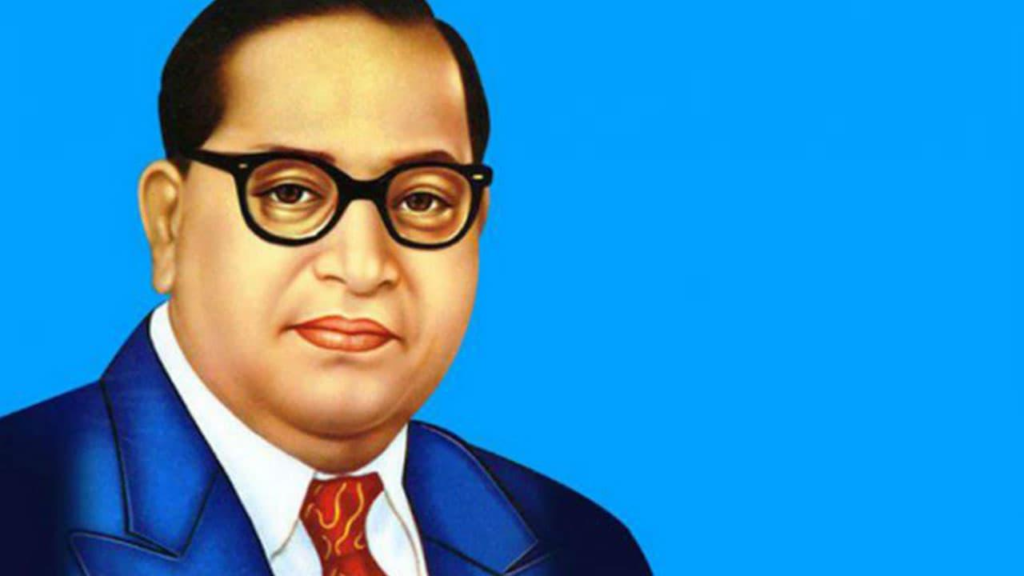
Dr. Bhimrao Ramji Ambedkar was a great Indian social reformer, economist, lawyer and political leader. He was born on 14 April 1891 in Mhow, Madhya Pradesh. He faced discrimination from an early age because of the caste system, but he never allowed these difficulties to stop him from receiving an education. He studied in India and abroad and became one of the most educated leaders of his time.
Dr. Ambedkar worked throughout his life for equality, education and the rights of disadvantaged communities. He served as the Chairman of the Drafting Committee of the Indian Constitution and became India’s first Law Minister after independence. His contribution to the making of the Constitution earned him the title of Father of the Indian Constitution. He is also lovingly remembered as Babasaheb. He died on 6 December 1956.
| Personal Details | Information |
|---|---|
| Full Name | Bhimrao Ramji Ambedkar |
| Date of Birth | 14 April 1891 |
| Birthplace | Mhow, Madhya Pradesh |
| Date of Death | 6 December 1956 |
| Profession | Lawyer, Economist, Social Reformer |
| Famous For | Drafting the Indian Constitution and fighting for equality |
| Nickname | Babasaheb |
4. Mother Teresa – Saint of the Gutters
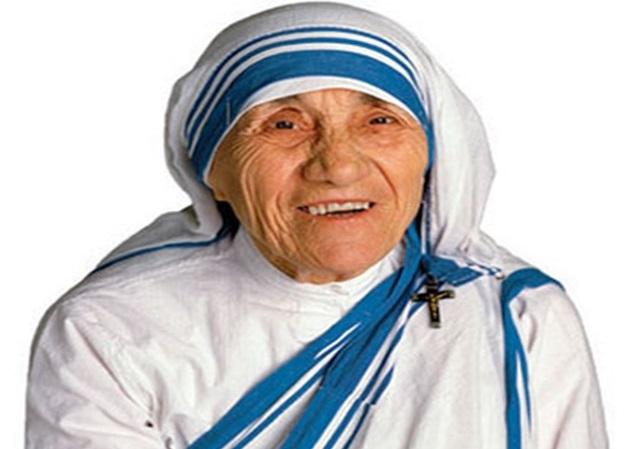
Mother Teresa was a well-known humanitarian who dedicated her life to helping poor, sick and homeless people. Her birth name was Anjezë Gonxhe Bojaxhiu, and she was born on 26 August 1910 in Skopje, which is now in North Macedonia. She later came to India and spent most of her working life in Kolkata, where she cared for people who had little support or shelter.
In 1950, she founded the Missionaries of Charity, an organisation that provided care to people living in poverty. Her work focused on kindness, compassion and service to humanity. She received the Nobel Peace Prize in 1979 for her humanitarian work and was later declared a saint by the Catholic Church. She died on 5 September 1997 in Kolkata.
| Personal Details | Information |
|---|---|
| Birth Name | Anjezë Gonxhe Bojaxhiu |
| Date of Birth | 26 August 1910 |
| Birthplace | Skopje, present-day North Macedonia |
| Date of Death | 5 September 1997 |
| Profession | Catholic Nun, Missionary, Humanitarian |
| Famous For | Serving poor and sick people |
| Popular Nickname | Saint of the Gutters |
5. Subhas Chandra Bose – Netaji
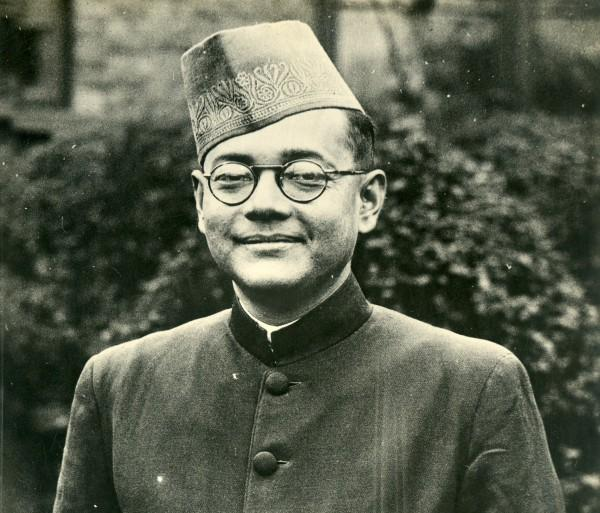
Subhas Chandra Bose was one of India’s most courageous freedom fighters. He was born on 23 January 1897 in Cuttack, Odisha. From a young age, he was interested in serving his country and wanted India to become free from British rule. He studied in India and England and qualified for the Indian Civil Services, but later left that career to join the freedom movement.
Bose believed that stronger action was needed to end British rule. He became a prominent leader of the Indian National Army (INA), also known as Azad Hind Fauj, and encouraged Indians living in different countries to join the struggle for independence. His famous slogan, “Give me blood, and I will give you freedom,” inspired many people. He is lovingly known as Netaji. His reported death in an air crash in August 1945 remains a subject of historical debate.
| Personal Details | Information |
|---|---|
| Full Name | Subhas Chandra Bose |
| Date of Birth | 23 January 1897 |
| Birthplace | Cuttack, Odisha |
| Reported Date of Death | 18 August 1945 |
| Profession | Freedom Fighter, Nationalist Leader |
| Famous For | Leadership of the Indian National Army |
| Nickname | Netaji |
6. Sarojini Naidu – Nightingale of India
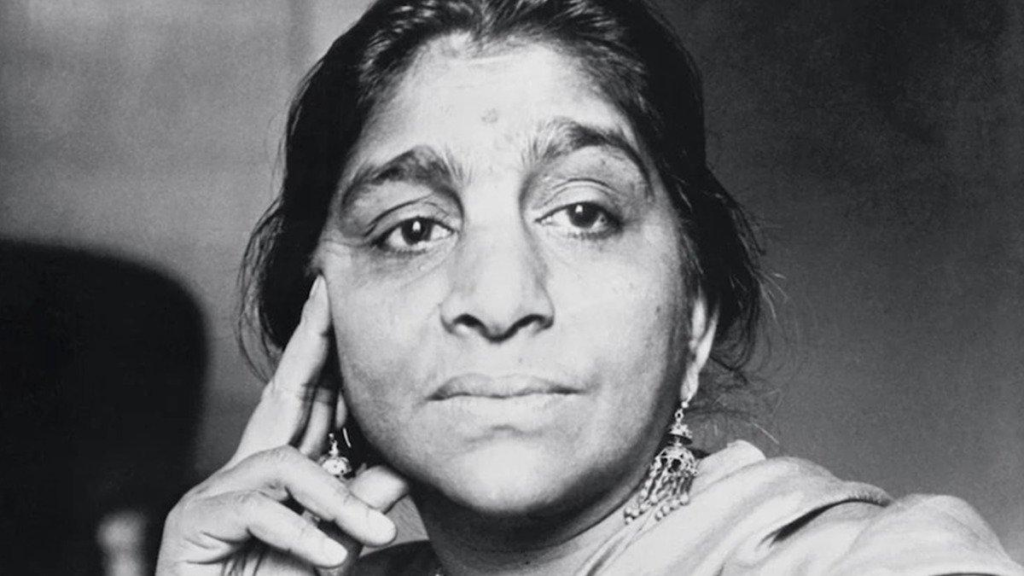
Sarojini Naidu was a famous Indian poet, writer and freedom fighter. She was born on 13 February 1879 in Hyderabad. She showed a strong interest in literature from an early age and became known for her beautiful poems. Her writing often included themes of Indian culture, nature, love and everyday life.
Apart from writing, she actively participated in India’s freedom movement and worked for women’s rights and education. She became the first Indian woman to serve as the President of the Indian National Congress and later became the first woman Governor of an Indian state after independence. Mahatma Gandhi called her the Nightingale of India because of the musical quality of her poetry. She died on 2 March 1949.
| Personal Details | Information |
|---|---|
| Full Name | Sarojini Naidu |
| Date of Birth | 13 February 1879 |
| Birthplace | Hyderabad, Telangana |
| Date of Death | 2 March 1949 |
| Profession | Poet, Writer, Freedom Fighter |
| Famous For | Poetry, women’s rights and independence movement |
| Nickname | Nightingale of India |
7. Bhagat Singh – Shaheed-e-Azam
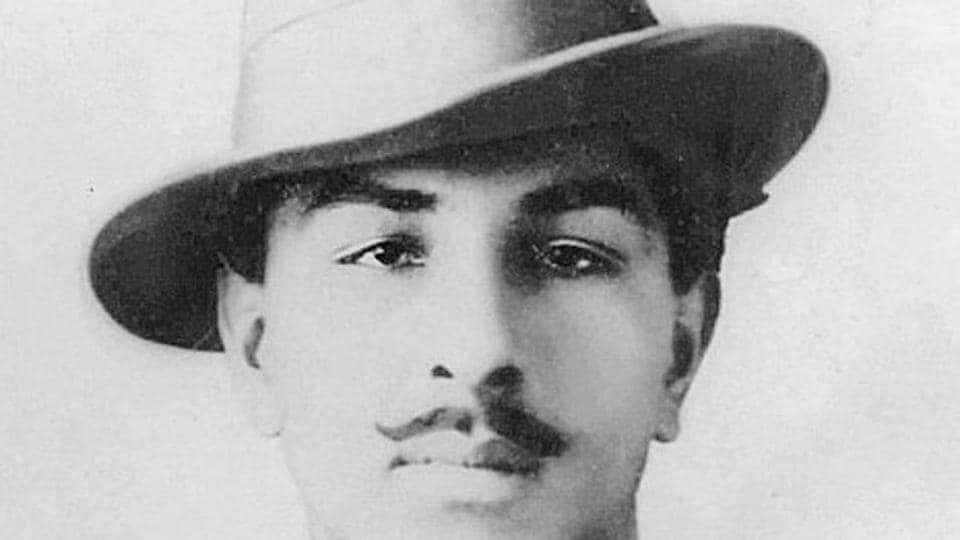
Bhagat Singh was one of the youngest and most inspiring revolutionaries in India’s freedom struggle. He was born on 28 September 1907 in Banga village, which is now in Pakistan. He grew up in a family that supported the freedom movement, and events such as the Jallianwala Bagh massacre deeply affected him. These experiences encouraged him to fight against British rule.
Bhagat Singh joined revolutionary groups and worked with other young freedom fighters to challenge British authority. He became widely known after the Central Legislative Assembly bombing case and the killing of British police officer J. P. Saunders. He was sentenced to death along with Rajguru and Sukhdev and was hanged on 23 March 1931. His courage made him a symbol of sacrifice, and he is remembered as Shaheed-e-Azam.
| Personal Details | Information |
|---|---|
| Full Name | Bhagat Singh |
| Date of Birth | 28 September 1907 |
| Birthplace | Banga, present-day Pakistan |
| Date of Death | 23 March 1931 |
| Profession | Revolutionary, Freedom Fighter |
| Famous For | Sacrifice in India’s independence movement |
| Nickname | Shaheed-e-Azam |
8. Bal Gangadhar Tilak – Lokmanya Tilak
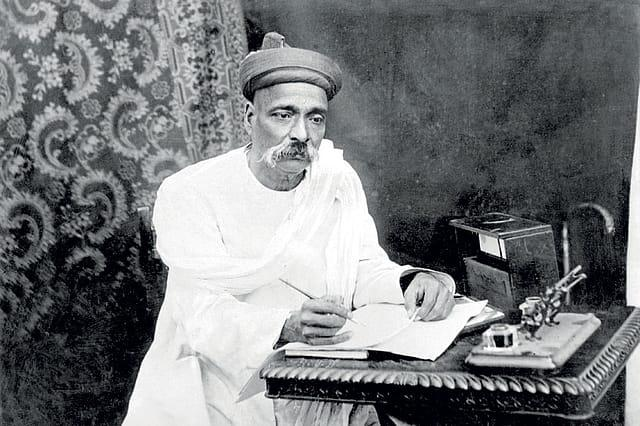
Bal Gangadhar Tilak was a famous freedom fighter, teacher, journalist and social thinker. He was born on 23 July 1856 in Ratnagiri, Maharashtra. He believed that Indians should have the right to govern their own country and encouraged people to take an active part in the freedom movement. He also helped establish educational institutions to promote learning among Indian students.
Tilak played an important role in the Indian National Congress and became one of the strongest voices for Swaraj, meaning self-rule. His famous words, “Swaraj is my birthright, and I shall have it,” became a powerful message for Indians. He was popularly known as Lokmanya, a title that reflected the respect he received from the people. He died on 1 August 1920.
| Personal Details | Information |
|---|---|
| Full Name | Bal Gangadhar Tilak |
| Date of Birth | 23 July 1856 |
| Birthplace | Ratnagiri, Maharashtra |
| Date of Death | 1 August 1920 |
| Profession | Teacher, Journalist, Freedom Fighter |
| Famous For | Promoting Swaraj and national awareness |
| Nickname | Lokmanya Tilak |
9. Rabindranath Tagore – Gurudev
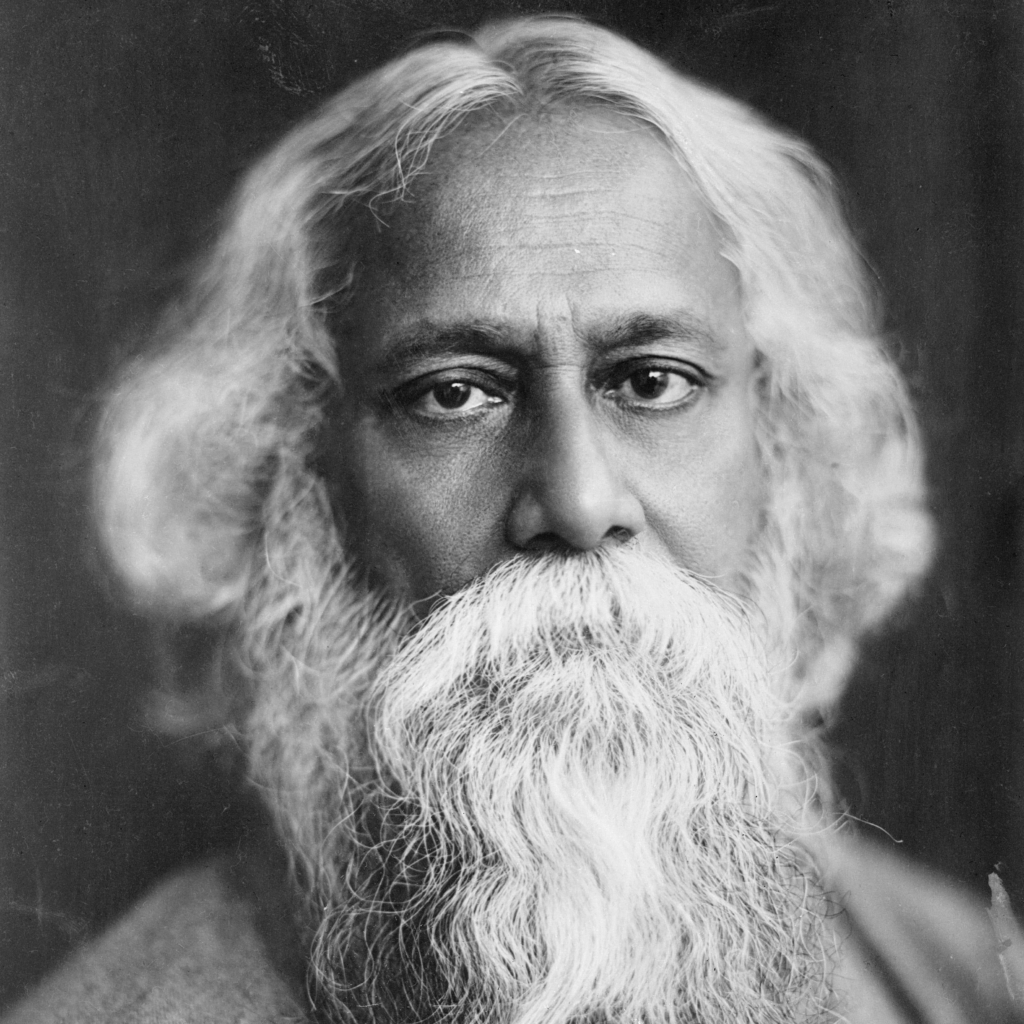
Rabindranath Tagore was one of India’s greatest poets, writers, philosophers and composers. He was born on 7 May 1861 in Calcutta, now Kolkata, West Bengal. He came from a well-known family that encouraged art, education and literature. From an early age, Tagore showed a deep interest in writing poems, songs and stories.
His collection of poems, Gitanjali, brought him international recognition, and he became the first Asian to receive the Nobel Prize in Literature in 1913. He also wrote India’s national anthem, Jana Gana Mana, and founded Visva-Bharati University at Santiniketan. People lovingly called him Gurudev and Kaviguru. His contribution to Indian literature and education is remembered even today. He died on 7 August 1941.
| Personal Details | Information |
|---|---|
| Full Name | Rabindranath Tagore |
| Date of Birth | 7 May 1861 |
| Birthplace | Calcutta, West Bengal |
| Date of Death | 7 August 1941 |
| Profession | Poet, Writer, Composer, Philosopher |
| Famous For | Gitanjali, Nobel Prize and Jana Gana Mana |
| Nicknames | Gurudev, Kaviguru |
10. Swami Vivekananda – Great Spiritual Leader
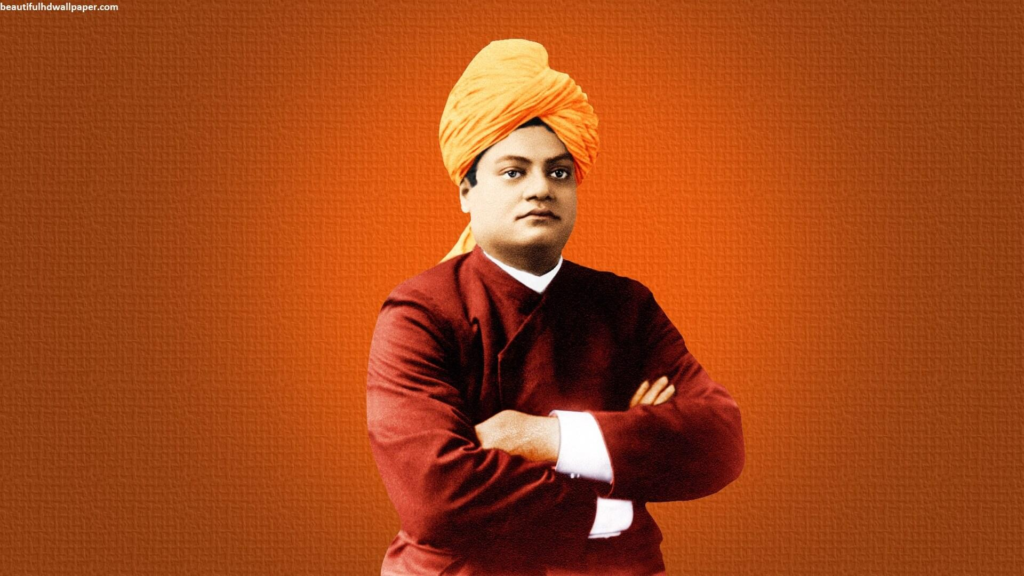
Swami Vivekananda was a great Indian spiritual leader, philosopher and thinker. His birth name was Narendranath Datta, and he was born on 12 January 1863 in Calcutta, now Kolkata. He was an intelligent student who enjoyed reading books about philosophy, religion, history and science. His meeting with his spiritual teacher, Ramakrishna Paramahamsa, played an important role in his life.
Vivekananda became famous around the world after his speech at the Parliament of the World’s Religions in Chicago in 1893. His opening words, “Sisters and Brothers of America,” received a warm response from the audience. He founded the Ramakrishna Mission in 1897 to promote education, spiritual learning and social service. His birthday is celebrated in India as National Youth Day. He died on 4 July 1902.
| Personal Details | Information |
|---|---|
| Birth Name | Narendranath Datta |
| Date of Birth | 12 January 1863 |
| Birthplace | Calcutta, West Bengal |
| Date of Death | 4 July 1902 |
| Profession | Spiritual Leader, Philosopher |
| Famous For | Chicago speech and Ramakrishna Mission |
| Popular Name | Swami Vivekananda |
11. Rani Lakshmibai – The Brave Queen of Jhansi
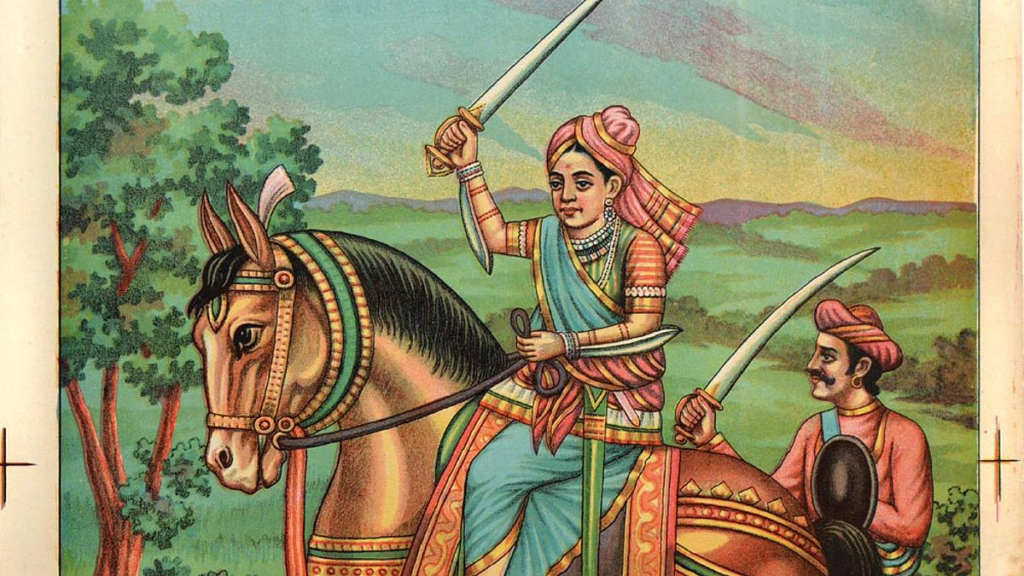
Rani Lakshmibai was one of the bravest women in Indian history. Her childhood name was Manikarnika Tambe, and she was lovingly called Manu. She was born on 19 November 1828 in Varanasi, Uttar Pradesh. She learned horse riding, sword fighting and other skills from a young age. Later, she married Maharaja Gangadhar Rao and became the queen of Jhansi.
During the Revolt of 1857, Rani Lakshmibai stood against British forces to protect her kingdom. She became a powerful symbol of courage and resistance. Even during difficult times, she refused to give up and continued fighting for her people. She died in battle on 18 June 1858 near Gwalior. Her bravery continues to inspire generations of Indians.
| Personal Details | Information |
|---|---|
| Birth Name | Manikarnika Tambe |
| Date of Birth | 19 November 1828 |
| Birthplace | Varanasi, Uttar Pradesh |
| Date of Death | 18 June 1858 |
| Profession | Queen, Warrior |
| Famous For | Fighting against British rule in 1857 |
| Childhood Nickname | Manu |
12. Lala Lajpat Rai – Punjab Kesari
Lala Lajpat Rai was an important Indian freedom fighter, writer and political leader. He was born on 28 January 1865 in Dhudike, Punjab. He studied law and later became involved in India’s independence movement. He believed that education, national awareness and unity were important for building a strong country.
He was one of the three leaders of the famous Lal-Bal-Pal group, along with Bal Gangadhar Tilak and Bipin Chandra Pal. In 1928, he led a protest against the Simon Commission in Lahore. During the protest, he was injured in a police baton charge and later died on 17 November 1928. Due to his courage and leadership, he became popularly known as Punjab Kesari, meaning the Lion of Punjab.
| Personal Details | Information |
|---|---|
| Full Name | Lala Lajpat Rai |
| Date of Birth | 28 January 1865 |
| Birthplace | Dhudike, Punjab |
| Date of Death | 17 November 1928 |
| Profession | Lawyer, Writer, Freedom Fighter |
| Famous For | Lal-Bal-Pal group and independence movement |
| Nickname | Punjab Kesari |
13. Jawaharlal Nehru – Chacha Nehru
Jawaharlal Nehru was India’s first Prime Minister after independence. He was born on 14 November 1889 in Allahabad, now Prayagraj, Uttar Pradesh. He came from a respected family and received his education in England. After returning to India, he became involved in the freedom movement and worked closely with Mahatma Gandhi.
Nehru took part in several important movements against British rule and spent many years in prison for his political activities. After independence in 1947, he became the first Prime Minister of India and worked to develop education, science, industries and modern institutions. He was very fond of children, who lovingly called him Chacha Nehru. His birthday is celebrated as Children’s Day in India. He died on 27 May 1964.
| Personal Details | Information |
|---|---|
| Full Name | Jawaharlal Nehru |
| Date of Birth | 14 November 1889 |
| Birthplace | Allahabad, Uttar Pradesh |
| Date of Death | 27 May 1964 |
| Profession | Freedom Fighter, Politician, Writer |
| Famous For | First Prime Minister of India |
| Nicknames | Chacha Nehru, Panditji |
14. Khudiram Bose – Young Revolutionary
Khudiram Bose was one of the youngest revolutionaries to sacrifice his life for India’s freedom. He was born on 3 December 1889 in the Midnapore region of Bengal. From a young age, he was deeply influenced by the growing movement against British rule. He became interested in revolutionary activities and joined groups that wanted to end colonial control.
Khudiram took part in a revolutionary attempt to target British magistrate Douglas Kingsford in 1908. He was arrested by the British authorities and sentenced to death. At just 18 years of age, he was hanged on 11 August 1908. His bravery and sacrifice made him an inspiration for young Indians, and he is remembered as Shaheed Khudiram.
| Personal Details | Information |
|---|---|
| Full Name | Khudiram Bose |
| Date of Birth | 3 December 1889 |
| Birthplace | Midnapore, Bengal |
| Date of Death | 11 August 1908 |
| Profession | Revolutionary, Freedom Fighter |
| Famous For | Revolutionary activities against British rule |
| Popular Name | Shaheed Khudiram |
15. Raja Ram Mohan Roy – Father of Indian Renaissance
Raja Ram Mohan Roy was a famous Indian social reformer, thinker and educationist. He was born on 22 May 1772 in Radhanagar, Bengal. He received an education in several languages, including Sanskrit, Persian and Bengali. He believed that society could improve through education, reason and respect for human rights.
Roy worked to end harmful social practices and strongly opposed Sati, the practice in which a widow was forced or expected to die on her husband’s funeral pyre. His efforts played an important role in the abolition of Sati in 1829. He also supported women’s education and founded the Brahmo Sabha, which later became known as the Brahmo Samaj. He is widely remembered as a leading figure of the Indian Renaissance. He died on 27 September 1833.
| Personal Details | Information |
|---|---|
| Full Name | Raja Ram Mohan Roy |
| Date of Birth | 22 May 1772 |
| Birthplace | Radhanagar, West Bengal |
| Date of Death | 27 September 1833 |
| Profession | Social Reformer, Educationist, Thinker |
| Famous For | Campaign against Sati and social reform |
| Popular Title | Father of Indian Renaissance |
16. Sri Aurobindo – Philosopher and Freedom Fighter
Sri Aurobindo was an Indian philosopher, poet, spiritual leader and freedom fighter. He was born on 15 August 1872 in Calcutta, now Kolkata. He received much of his early education in England and later returned to India. After coming back, he became involved in the national movement and wrote articles encouraging Indians to fight for independence.
Over time, Aurobindo moved away from active politics and focused more on yoga, meditation and spiritual development. He settled in Pondicherry, where he established an ashram and continued his philosophical work. His famous writings include The Life Divine and Savitri. His teachings continue to influence people interested in spirituality and personal growth. He died on 5 December 1950.
| Personal Details | Information |
|---|---|
| Full Name | Aurobindo Ghose |
| Date of Birth | 15 August 1872 |
| Birthplace | Calcutta, West Bengal |
| Date of Death | 5 December 1950 |
| Profession | Philosopher, Poet, Spiritual Leader |
| Famous For | Spiritual philosophy and freedom movement |
| Popular Name | Sri Aurobindo |
17. Maharana Pratap – Brave King of Mewar
Maharana Pratap was a brave ruler of Mewar in Rajasthan. He was born on 9 May 1540 at Kumbhalgarh, Rajasthan, and was the son of Maharana Udai Singh II. From an early age, he received training in horse riding, sword fighting and military skills. He later became the ruler of Mewar and dedicated his life to protecting his kingdom.
Maharana Pratap is best remembered for his resistance against the Mughal Empire under Emperor Akbar. The Battle of Haldighati in 1576 became one of the most famous events of his life. His loyal horse Chetak is also remembered for its courage and bravery. Maharana Pratap never gave up his struggle to regain control of his kingdom and died on 19 January 1597.
| Personal Details | Information |
|---|---|
| Full Name | Maharana Pratap Singh |
| Date of Birth | 9 May 1540 |
| Birthplace | Kumbhalgarh, Rajasthan |
| Date of Death | 19 January 1597 |
| Profession | King and Warrior |
| Famous For | Resistance against Mughal rule |
| Kingdom | Mewar |
18. Chandra Shekhar Azad – The Fearless Revolutionary
Chandra Shekhar Azad was a brave Indian revolutionary who dedicated his life to the freedom of his country. He was born as Chandra Shekhar Tiwari on 23 July 1906 in Bhavra, Madhya Pradesh. He became involved in the freedom movement at a young age and took part in the Non-Cooperation Movement when he was just a teenager.
During his arrest, he gave his name as Azad, meaning free, and from then on became known as Chandra Shekhar Azad. He later joined revolutionary organisations and helped reorganise the Hindustan Republican Association as the Hindustan Socialist Republican Association. He was known for his courage and determination. On 27 February 1931, he died during a confrontation with British police in Alfred Park, Allahabad, now Prayagraj.
| Personal Details | Information |
|---|---|
| Birth Name | Chandra Shekhar Tiwari |
| Date of Birth | 23 July 1906 |
| Birthplace | Bhavra, Madhya Pradesh |
| Date of Death | 27 February 1931 |
| Profession | Revolutionary, Freedom Fighter |
| Famous For | Revolutionary activities against British rule |
| Nickname | Azad |
19. Ishwar Chandra Vidyasagar – Great Social Reformer
Ishwar Chandra Vidyasagar was a famous Indian educator, writer and social reformer. He was born on 26 September 1820 in Birsingha village, Bengal. His family had limited financial resources, but he worked hard to continue his education. He became highly skilled in Sanskrit and received the title Vidyasagar, which means Ocean of Knowledge.
He dedicated much of his life to improving education and supporting social change. He strongly supported widow remarriage and played an important role in the movement that led to the Hindu Widows’ Remarriage Act of 1856. He also worked to improve education for girls and helped make Bengali writing and learning more accessible. His efforts made him one of the most respected reformers of the nineteenth century. He died on 29 July 1891.
| Personal Details | Information |
|---|---|
| Full Name | Ishwar Chandra Bandyopadhyay |
| Date of Birth | 26 September 1820 |
| Birthplace | Birsingha, West Bengal |
| Date of Death | 29 July 1891 |
| Profession | Educator, Writer, Social Reformer |
| Famous For | Education and widow remarriage reform |
| Title | Vidyasagar |
20. Aruna Asaf Ali – Grand Old Lady of Indian Independence
Aruna Asaf Ali was an important woman freedom fighter who played a major role in India’s independence movement. She was born on 16 July 1909 in Kalka, which is now in Haryana. She studied in Lahore and later worked as a teacher in Kolkata. Her interest in public service and national issues brought her into the Indian freedom movement.
She became especially famous during the Quit India Movement of 1942. On 9 August 1942, she hoisted the Indian National Congress flag at Gowalia Tank Maidan in Bombay, now Mumbai, after several senior leaders had been arrested. She continued to support the freedom struggle even while living underground. For her contribution, she became known as the Grand Old Lady of Indian Independence. She died on 29 July 1996.
| Personal Details | Information |
|---|---|
| Full Name | Aruna Asaf Ali |
| Date of Birth | 16 July 1909 |
| Birthplace | Kalka, present-day Haryana |
| Date of Death | 29 July 1996 |
| Profession | Freedom Fighter, Political Activist |
| Famous For | Role in the Quit India Movement |
| Nickname | Grand Old Lady of Indian Independence |
21. The 14th Dalai Lama – Spiritual Leader
The 14th Dalai Lama, whose name is Tenzin Gyatso, is a respected spiritual leader of Tibetan Buddhism. He was born on 6 July 1935 in Taktser, Tibet, and was given the birth name Lhamo Thondup. At a young age, he was recognised as the reincarnation of the previous Dalai Lama and began his religious education.
He has spent much of his life promoting peace, compassion, non-violence and understanding between different religions. After leaving Tibet in 1959, he settled in India, where he has continued his spiritual work from Dharamshala, Himachal Pradesh. He received the Nobel Peace Prize in 1989 for his peaceful efforts on behalf of the Tibetan people. Although he was born in Tibet, his long association with India makes him an important India-associated personality.
| Personal Details | Information |
|---|---|
| Full Name | Tenzin Gyatso |
| Date of Birth | 6 July 1935 |
| Birthplace | Taktser, Tibet |
| Date of Death | Living |
| Profession | Spiritual Leader, Author |
| Famous For | Promoting peace and non-violence |
| Popular Title | 14th Dalai Lama |
22. Sir C. V. Raman – Nobel Prize-Winning Scientist
Sir Chandrasekhara Venkata Raman was one of India’s greatest scientists. He was born on 7 November 1888 in Tiruchirappalli, Tamil Nadu. From childhood, he showed a strong interest in science and learning. He studied physics and later worked in scientific research, making important contributions to the study of light.
His most famous discovery is known as the Raman Effect, which explains how light changes when it passes through a transparent material. This discovery brought him the Nobel Prize in Physics in 1930, making him the first Asian to receive this award in that category. He also received the Bharat Ratna in 1954. His work helped bring international recognition to Indian science. He died on 21 November 1970.
| Personal Details | Information |
|---|---|
| Full Name | Chandrasekhara Venkata Raman |
| Date of Birth | 7 November 1888 |
| Birthplace | Tiruchirappalli, Tamil Nadu |
| Date of Death | 21 November 1970 |
| Profession | Physicist, Scientist |
| Famous For | Discovery of the Raman Effect |
| Major Award | Nobel Prize in Physics, 1930 |
23. Mangal Pandey – Hero of the Revolt of 1857
Mangal Pandey was an Indian soldier who became an important figure in the events leading to the Revolt of 1857. He was born on 19 July 1827 in Nagwa village, Ballia district, Uttar Pradesh. He joined the army of the British East India Company and served as a sepoy in the 34th Bengal Native Infantry.
In March 1857, he rebelled against British officers at Barrackpore. His actions took place during a period of growing anger among Indian soldiers over British policies and the treatment of Indian troops. The revolt soon spread to several parts of the country and became a major challenge to British rule. Mangal Pandey was hanged on 8 April 1857. He is remembered as one of the early figures of the 1857 uprising.
| Personal Details | Information |
|---|---|
| Full Name | Mangal Pandey |
| Date of Birth | 19 July 1827 |
| Birthplace | Nagwa, Ballia, Uttar Pradesh |
| Date of Death | 8 April 1857 |
| Profession | Soldier, Freedom Fighter |
| Famous For | Revolt against British officers in 1857 |
| Regiment | 34th Bengal Native Infantry |
24. Chhatrapati Shivaji Maharaj – Founder of the Maratha Empire
Chhatrapati Shivaji Maharaj was a great Indian ruler and military leader who established the foundation of the Maratha Empire. He was born on 19 February 1630 at Shivneri Fort in Maharashtra. His parents were Shahaji Bhonsle and Jijabai. His mother played an important role in teaching him about courage, leadership and responsibility from an early age.
Shivaji Maharaj built a strong military system and developed a network of forts to protect his kingdom. He was especially known for his smart military planning and the use of guerrilla warfare. In 1674, he was formally crowned Chhatrapati at Raigad Fort. His administration, military leadership and efforts to establish an independent kingdom made him one of the most respected rulers in Indian history. He died on 3 April 1680.
| Personal Details | Information |
|---|---|
| Full Name | Shivaji Bhonsle |
| Date of Birth | 19 February 1630 |
| Birthplace | Shivneri Fort, Maharashtra |
| Date of Death | 3 April 1680 |
| Profession | King, Military Leader |
| Famous For | Establishing the Maratha Empire |
| Popular Title | Chhatrapati Shivaji Maharaj |
25. Dr. Sarvepalli Radhakrishnan – Great Teacher and President
Dr. Sarvepalli Radhakrishnan was a famous Indian philosopher, teacher and statesman. He was born on 5 September 1888 in Tiruttani, Tamil Nadu. He had a strong interest in education and philosophy and became a respected professor at several educational institutions. His knowledge of Indian philosophy helped introduce Indian ideas to readers and scholars around the world.
After independence, he entered public life and served as India’s first Vice President from 1952 to 1962. He later became the second President of India, serving from 1962 to 1967. He believed that teachers played an important role in building a better society. His birthday, 5 September, is celebrated as Teachers’ Day in India in recognition of his contribution to education. He died on 17 April 1975.
| Personal Details | Information |
|---|---|
| Full Name | Sarvepalli Radhakrishnan |
| Date of Birth | 5 September 1888 |
| Birthplace | Tiruttani, Tamil Nadu |
| Date of Death | 17 April 1975 |
| Profession | Philosopher, Teacher, Politician |
| Famous For | Second President of India and contribution to education |
| Special Day | Teachers’ Day, 5 September |
26. Dr. A. P. J. Abdul Kalam – Missile Man of India
Dr. Avul Pakir Jainulabdeen Abdul Kalam was a famous Indian scientist, teacher and the 11th President of India. He was born on 15 October 1931 in Rameswaram, Tamil Nadu. He came from a humble family and worked hard from childhood to continue his education. His interest in science led him to study physics and aerospace engineering.
Kalam made important contributions to India’s space and missile development programmes. His work with organisations such as ISRO and DRDO helped strengthen the country’s scientific and defence capabilities. Because of his role in missile development, he became known as the Missile Man of India. He served as President from 2002 to 2007 and inspired millions of students through his speeches and books. He died on 27 July 2015 while delivering a lecture at IIM Shillong.
| Personal Details | Information |
|---|---|
| Full Name | Avul Pakir Jainulabdeen Abdul Kalam |
| Date of Birth | 15 October 1931 |
| Birthplace | Rameswaram, Tamil Nadu |
| Date of Death | 27 July 2015 |
| Profession | Scientist, Teacher, President |
| Famous For | India’s missile and space programmes |
| Nickname | Missile Man of India |
27. Captain Lakshmi Sahgal – Leader of the Rani of Jhansi Regiment
Captain Lakshmi Sahgal was a doctor, freedom fighter and an important leader of the Indian National Army. She was born on 24 October 1914 in Madras, now Chennai. Her birth name was Lakshmi Swaminathan. She studied medicine and became a doctor, but her interest in India’s independence encouraged her to take part in the freedom movement.
During the Second World War, she joined the Indian National Army led by Subhas Chandra Bose. She became the commander of the Rani of Jhansi Regiment, an all-women military unit created to fight for India’s independence. After independence, she continued to work as a doctor and helped people in need. Her life was an example of courage, service and dedication. She died on 23 July 2012.
| Personal Details | Information |
|---|---|
| Full Name | Lakshmi Sahgal |
| Date of Birth | 24 October 1914 |
| Birthplace | Madras, Tamil Nadu |
| Date of Death | 23 July 2012 |
| Profession | Doctor, Freedom Fighter |
| Famous For | Leading the Rani of Jhansi Regiment |
| Popular Name | Captain Lakshmi |
28. Lal Bahadur Shastri – Man of Peace
Lal Bahadur Shastri was India’s second Prime Minister and one of the most respected leaders in the country’s history. He was born on 2 October 1904 in Mughalsarai, Uttar Pradesh. He came from a simple family and faced financial difficulties during his childhood. Despite these challenges, he continued his education and later joined the freedom movement.
After independence, Shastri served in several important government positions before becoming Prime Minister in 1964. During his leadership, India faced the Indo-Pakistani War of 1965. He gave the famous slogan “Jai Jawan, Jai Kisan” to highlight the importance of soldiers and farmers in the country. He also supported efforts to increase milk production and agricultural development. He died in Tashkent on 11 January 1966.
| Personal Details | Information |
|---|---|
| Full Name | Lal Bahadur Shastri |
| Date of Birth | 2 October 1904 |
| Birthplace | Mughalsarai, Uttar Pradesh |
| Date of Death | 11 January 1966 |
| Profession | Freedom Fighter, Politician |
| Famous For | Second Prime Minister of India |
| Popular Nickname | Man of Peace |
29. Bipin Chandra Pal – One of the Lal-Bal-Pal Leaders
Bipin Chandra Pal was a well-known Indian freedom fighter, writer and political leader. He was born on 7 November 1858 in Sylhet, which is now in Bangladesh. He believed that Indians should take a strong stand against British rule and supported the idea of self-government. He also worked as a journalist and used his writing to spread awareness about national issues.
Pal was one of the three important leaders of the Lal-Bal-Pal group, along with Lala Lajpat Rai and Bal Gangadhar Tilak. He encouraged people to boycott British goods and support Indian-made products. He also spoke about social reform, education and national unity. His speeches and writings made him an important voice in the freedom movement. He died on 20 May 1932.
| Personal Details | Information |
|---|---|
| Full Name | Bipin Chandra Pal |
| Date of Birth | 7 November 1858 |
| Birthplace | Sylhet, present-day Bangladesh |
| Date of Death | 20 May 1932 |
| Profession | Writer, Journalist, Freedom Fighter |
| Famous For | Lal-Bal-Pal group and Swadeshi Movement |
| Popular Title | Father of Revolutionary Thoughts |
30. Ashfaqulla Khan – Brave Freedom Fighter
Ashfaqulla Khan was a brave Indian revolutionary who gave his life for the freedom of India. He was born on 22 October 1900 in Shahjahanpur, Uttar Pradesh. From an early age, he was interested in poetry and national issues. He strongly believed that India should be free from British rule and joined revolutionary activities to support this goal.
He became a member of the Hindustan Republican Association and played an important role in the Kakori train action of 1925, which aimed to obtain funds for the revolutionary movement. He was arrested by the British government and sentenced to death. On 19 December 1927, he was hanged in Faizabad Jail. His friendship with Ram Prasad Bismil and his sacrifice made him an important figure in India’s freedom history.
| Personal Details | Information |
|---|---|
| Full Name | Ashfaqulla Khan |
| Date of Birth | 22 October 1900 |
| Birthplace | Shahjahanpur, Uttar Pradesh |
| Date of Death | 19 December 1927 |
| Profession | Revolutionary, Poet, Freedom Fighter |
| Famous For | Kakori train action |
| Organisation | Hindustan Republican Association |
31. Ram Prasad Bismil – Revolutionary Poet and Freedom Fighter
Ram Prasad Bismil was an Indian revolutionary, poet and writer who played an important role in the freedom movement. He was born on 11 June 1897 in Shahjahanpur, Uttar Pradesh. He developed an interest in literature and national issues at a young age. His writings and poems encouraged people to love their country and stand against British rule.
Bismil was a leading member of the Hindustan Republican Association and took part in the Kakori train action in 1925. He was arrested along with other revolutionaries and sentenced to death. He was hanged on 19 December 1927 in Gorakhpur Jail. His poems, especially those expressing love for the motherland, continue to be remembered by readers and students.
| Personal Details | Information |
|---|---|
| Full Name | Ram Prasad Bismil |
| Date of Birth | 11 June 1897 |
| Birthplace | Shahjahanpur, Uttar Pradesh |
| Date of Death | 19 December 1927 |
| Profession | Poet, Writer, Revolutionary |
| Famous For | Kakori train action and patriotic poetry |
| Organisation | Hindustan Republican Association |
32. Dadabhai Naoroji – Grand Old Man of India
Dadabhai Naoroji was an Indian political leader, teacher, writer and social thinker. He was born on 4 September 1825 in Navsari, Gujarat. He received his education in Bombay, now Mumbai, and later became one of the early Indian leaders to raise the concerns of Indians before the British government.
He is especially remembered for explaining how British economic policies were taking wealth away from India. His famous Drain Theory highlighted the economic problems caused by colonial rule. He was one of the founders of the Indian National Congress and became the first Asian member of the British Parliament. Because of his long service to the country, he was popularly known as the Grand Old Man of India. He died on 30 June 1917.
| Personal Details | Information |
|---|---|
| Full Name | Dadabhai Naoroji |
| Date of Birth | 4 September 1825 |
| Birthplace | Navsari, Gujarat |
| Date of Death | 30 June 1917 |
| Profession | Teacher, Writer, Political Leader |
| Famous For | Drain Theory and Indian National Congress |
| Nickname | Grand Old Man of India |
33. Dr. Rajendra Prasad – First President of India
Dr. Rajendra Prasad was a respected freedom fighter, lawyer and the first President of independent India. He was born on 3 December 1884 in Ziradei village, Bihar. He was a brilliant student and performed very well in his studies. He later became a lawyer and began practising law, but his interest in public service brought him into the independence movement.
He worked closely with Mahatma Gandhi and took part in important movements against British rule. After independence, he became the President of the Constituent Assembly and later the first President of India on 26 January 1950. He served as President until 1962 and remains the only Indian President to have completed two full terms. He received the Bharat Ratna in 1962 and died on 28 February 1963.
| Personal Details | Information |
|---|---|
| Full Name | Dr. Rajendra Prasad |
| Date of Birth | 3 December 1884 |
| Birthplace | Ziradei, Bihar |
| Date of Death | 28 February 1963 |
| Profession | Lawyer, Freedom Fighter, Politician |
| Famous For | First President of India |
| Popular Title | Desh Ratna |
34. C. Rajagopalachari – Rajaji
Chakravarti Rajagopalachari, popularly known as Rajaji, was an Indian freedom fighter, lawyer, writer and political leader. He was born on 10 December 1878 in Thorapalli, in present-day Tamil Nadu. He studied law and became involved in public life before joining the Indian independence movement. He was strongly influenced by Mahatma Gandhi and supported non-violent methods of protest.
Rajaji took part in the freedom movement and led the famous Vedaranyam Salt March in 1930. After independence, he became the first Indian Governor-General of India, serving from 1948 to 1950. He later served as Chief Minister of Madras State and founded the Swatantra Party. He also wrote books and retold Indian epics in simple language. He died on 25 December 1972.
| Personal Details | Information |
|---|---|
| Full Name | Chakravarti Rajagopalachari |
| Date of Birth | 10 December 1878 |
| Birthplace | Thorapalli, Tamil Nadu |
| Date of Death | 25 December 1972 |
| Profession | Lawyer, Writer, Freedom Fighter, Politician |
| Famous For | First Indian Governor-General of India |
| Nickname | Rajaji |
35. Chittaranjan Das – Deshbandhu
Chittaranjan Das was a famous Indian lawyer, freedom fighter and political leader. He was born on 5 November 1870 in Calcutta, now Kolkata, West Bengal. He studied law in England and later returned to India to practise as a lawyer. His legal career brought him recognition, but he eventually decided to dedicate much of his time to the national movement.
He became an important leader during the Non-Cooperation Movement and encouraged Indians to boycott British goods and institutions. Along with Motilal Nehru, he founded the Swaraj Party in 1923 to work for political change. He was lovingly called Deshbandhu, meaning Friend of the Nation, because of his service to India. He died on 16 June 1925.
| Personal Details | Information |
|---|---|
| Full Name | Chittaranjan Das |
| Date of Birth | 5 November 1870 |
| Birthplace | Calcutta, West Bengal |
| Date of Death | 16 June 1925 |
| Profession | Lawyer, Poet, Freedom Fighter |
| Famous For | Founding the Swaraj Party |
| Nickname | Deshbandhu |
36. Lata Mangeshkar – Nightingale of India
Lata Mangeshkar was one of the most famous and loved playback singers in Indian music history. She was born on 28 September 1929 in Indore, Madhya Pradesh. Her father, Deenanath Mangeshkar, was a respected classical singer and theatre artist. Lata began learning music at a young age and entered the film industry after her father’s death when she was still a teenager.
She went on to sing thousands of songs in Hindi and many other Indian languages. Her sweet and expressive voice made her one of the most recognised singers in the country. She received several major honours, including the Bharat Ratna in 2001. She was popularly known as Swar Kokila and the Nightingale of India. Her songs continue to be enjoyed by people of all ages. She passed away on 6 February 2022 in Mumbai.
| Personal Details | Information |
|---|---|
| Full Name | Lata Mangeshkar |
| Date of Birth | 28 September 1929 |
| Birthplace | Indore, Madhya Pradesh |
| Date of Death | 6 February 2022 |
| Profession | Playback Singer |
| Famous For | Contributions to Indian film music |
| Nicknames | Swar Kokila, Nightingale of India |
| Major Award | Bharat Ratna |
Why Should We Learn About Famous Personalities of India?
Learning about famous Indian personalities helps us understand the history, culture and achievements of our country. Their lives show us that success does not come easily. It takes dedication, patience, courage and a willingness to work for something bigger than ourselves.
For children and students, these personalities are excellent examples of good leadership, hard work and determination. Whether it is Mahatma Gandhi’s message of non-violence, Dr. B. R. Ambedkar’s fight for equality, Swami Vivekananda’s teachings or Dr. A. P. J. Abdul Kalam’s love for science, every life story has something valuable to teach.
Famous Personalities of India: Birthplaces and Their Contributions
Here is another quick reference table showing where these personalities were born and what made them famous.
| Personality | Birthplace | Why Famous |
|---|---|---|
| Mahatma Gandhi | Porbandar, Gujarat | India’s freedom movement and non-violence |
| Sardar Patel | Nadiad, Gujarat | Unification of India |
| B. R. Ambedkar | Mhow, Madhya Pradesh | Indian Constitution and social equality |
| Mother Teresa | Skopje, North Macedonia | Humanitarian work in India |
| Subhas Chandra Bose | Cuttack, Odisha | Indian National Army |
| Sarojini Naidu | Hyderabad, Telangana | Poetry and women’s rights |
| Bhagat Singh | Banga, present-day Pakistan | Revolutionary freedom struggle |
| Bal Gangadhar Tilak | Ratnagiri, Maharashtra | Swaraj movement |
| Rabindranath Tagore | Calcutta, West Bengal | Literature and Nobel Prize |
| Swami Vivekananda | Calcutta, West Bengal | Spiritual teachings |
| Rani Lakshmibai | Varanasi, Uttar Pradesh | Revolt of 1857 |
| Lala Lajpat Rai | Dhudike, Punjab | Freedom movement |
| Jawaharlal Nehru | Allahabad, Uttar Pradesh | First Prime Minister |
| Khudiram Bose | Midnapore, Bengal | Revolutionary activities |
| Raja Ram Mohan Roy | Radhanagar, West Bengal | Social reforms |
| Sri Aurobindo | Calcutta, West Bengal | Philosophy and spirituality |
| Maharana Pratap | Kumbhalgarh, Rajasthan | Resistance against the Mughals |
| Chandra Shekhar Azad | Bhavra, Madhya Pradesh | Revolutionary movement |
| Ishwar Chandra Vidyasagar | Birsingha, West Bengal | Education and widow remarriage |
| Aruna Asaf Ali | Kalka, Haryana | Quit India Movement |
| 14th Dalai Lama | Taktser, Tibet | Peace and Buddhist teachings |
| C. V. Raman | Tiruchirappalli, Tamil Nadu | Raman Effect |
| Mangal Pandey | Nagwa, Uttar Pradesh | Revolt of 1857 |
| Shivaji Maharaj | Shivneri, Maharashtra | Foundation of the Maratha Empire |
| Sarvepalli Radhakrishnan | Tiruttani, Tamil Nadu | Education and philosophy |
| A. P. J. Abdul Kalam | Rameswaram, Tamil Nadu | Science and missile development |
| Lakshmi Sahgal | Madras, Tamil Nadu | Rani of Jhansi Regiment |
| Lal Bahadur Shastri | Mughalsarai, Uttar Pradesh | Leadership and Jai Jawan Jai Kisan |
| Bipin Chandra Pal | Sylhet, present-day Bangladesh | Swadeshi Movement |
| Ashfaqulla Khan | Shahjahanpur, Uttar Pradesh | Kakori train action |
| Ram Prasad Bismil | Shahjahanpur, Uttar Pradesh | Revolutionary poetry and Kakori action |
| Dadabhai Naoroji | Navsari, Gujarat | Drain Theory |
| Rajendra Prasad | Ziradei, Bihar | First President of India |
| C. Rajagopalachari | Thorapalli, Tamil Nadu | First Indian Governor-General |
| Chittaranjan Das | Calcutta, West Bengal | Swaraj Party |
| Lata Mangeshkar | Indore, Madhya Pradesh | Indian playback singing |
Conclusion
India has produced many great personalities whose contributions will always remain an important part of its history. Some fought bravely for independence, some worked to remove social problems, while others brought recognition to India through science, education, literature and music.
Their stories remind us that one person can make a big difference through hard work and dedication. By learning about these famous personalities of India, we can understand our past, appreciate their achievements and take inspiration to build a better future.